


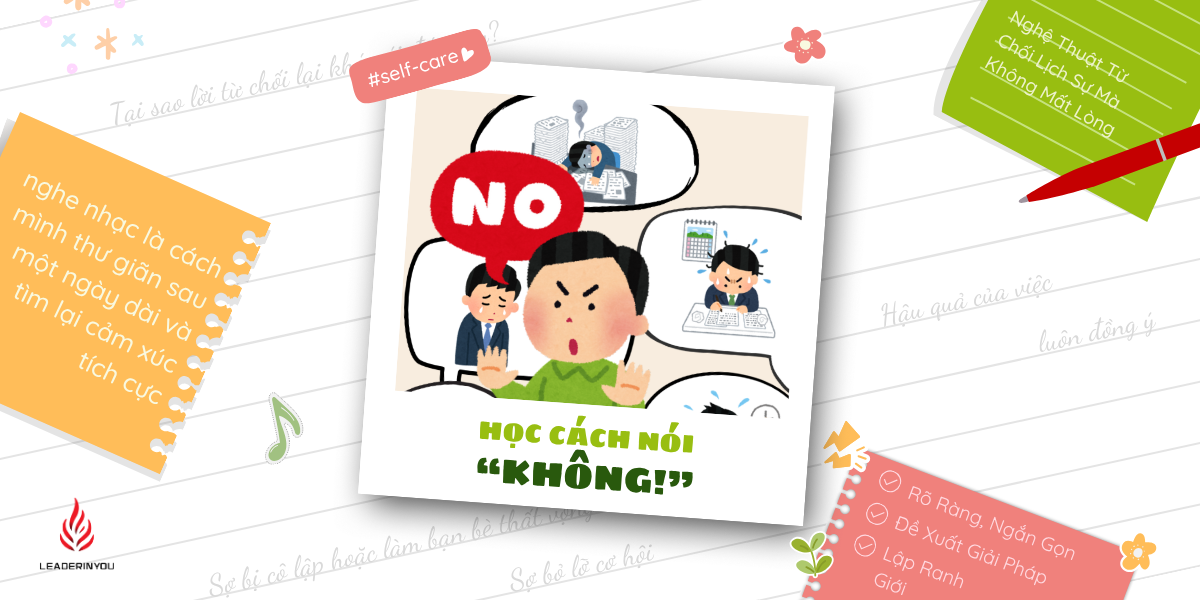
Have you ever agreed to help a friend with a group project even though your own deadline was breathing down your neck? Or nodded “yes” to a social gathering when your body was exhausted and screaming for rest? If the answer is “yes,” you are not alone. Many of us, especially as students, find it incredibly difficult to say “no”—sometimes harder than solving a complex math problem.
We’re afraid of letting people down, being seen as selfish, or simply feel awkward declining. But constantly saying “yes” to every request when your own energy is depleted is one of the biggest causes of stress, burnout, and losing focus on your own important goals.
Learning to say “no” isn’t selfish. It’s a vital life skill for protecting your space, time, and mental energy. It is the art of self-respect and the key to living a more balanced and effective life.
Why Is It So Hard to Say “No”?
For many students, peer pressure and the desire to fit in are immense. The fear of being isolated or disappointing friends is often the main psychological barrier:
- Fear of Upsetting Others: This is the most common reason. We worry that our refusal will make friends, teachers, or even family sad or angry.
- The “People-Pleaser” Tendency: Some people tend to seek validation by always appearing helpful and available, even at the cost of their own needs.
- Feeling Guilty or Selfish: We are often taught that being “nice” means always being accommodating, so saying “no” can trigger feelings of guilt.
- Fear of Missing Out (FOMO): The fear of missing a fun event, a networking opportunity, or an interesting experience also makes many people afraid to decline.
The Consequences of Not Knowing How to Say “No”
When you turn yourself into a “YES machine,” you are unintentionally creating unnecessary pressure for yourself:
- Energy Depletion (Burnout): Your physical and mental energy is finite. Taking on too much will lead to exhaustion, fatigue, and a loss of motivation.
- Stress and Anxiety: The burden of unwanted promises and responsibilities will accumulate as stress, directly impacting your mental health.
- Neglecting Personal Goals: When your time and mind are filled with other people’s requests, you won’t have enough resources to focus on your studies, hobbies, and personal plans.
- Decreased Self-Respect: Continually placing others’ needs above your own will gradually make you forget your own value.
The Art of Saying “No” Politely Without Causing Offense
Saying “no” doesn’t mean you have to be rude or cold. On the contrary, you can absolutely refuse in a way that is tactful, kind, and respectful.
1. Be Clear, Concise, and Honest
Instead of beating around the bush or making up complicated excuses, give a direct but gentle answer. Sincerity is appreciated far more than a clumsy lie.
- Instead of: “Uh, let me see… I’m not sure yet…” (which creates false hope)
- Try: “Thanks for the invitation, but unfortunately, I can’t make it that day.”
2. Start with Gratitude or Acknowledgment
Showing appreciation for their request will significantly soften your refusal.
- Example: “Thank you so much for thinking of me for this project. I’m really honored. However, I’m currently focused on my final exams, so I won’t be able to join.”
3. Give a Brief Reason
You are not obligated to give a detailed explanation, but a short, reasonable explanation can help the other person accept your “no” more easily.
- Example (when asked to hang out but you need rest): “That sounds fun, but I’ll have to pass tonight. It’s been a really long week, and I need to stay in and recharge.”
4. Offer an Alternative
If you genuinely want to help but just can’t at that moment, proposing another solution shows your goodwill.
- Example (when a friend asks for help with homework): “I’m in the middle of a deadline right now. How about we meet in the library tomorrow morning, and I can go over that part with you?”
5. Stand Firm in Your Boundaries
Get the people around you used to your boundaries. When you are consistent with your limits, people will gradually learn to respect them.
- Example: “I really value you as a friend, but I can’t let you copy my test answers. It’s not good for either of us.”
Conclusion
Learning to say “no” is a journey of practice. You might feel guilty at times, but remember this: protecting your own energy is the best way to ensure you can contribute effectively and fully to the things that truly matter. Saying “no” to an unsuitable request is saying “yes” to your own mental health and balance.


